
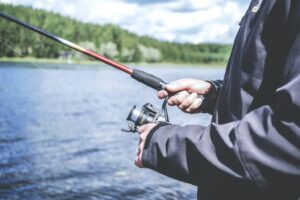
There is no doubt that fishing is an outdoor activity that brings about a lot of happiness and fun, especially if you go on a family fishing trip. The enjoyment never stops, whether you’re deep-sea diving to spearfish or casually resting on your boat waiting for a catch. What’s more, anyone can enjoy fishing, regardless of age, gender, or fishing skills.
However, fishing can have its own set of hazards. Just imagine your fishing hook getting caught in your hand. It will probably hurt like crazy, and you’ll have to visit the hospital to get it removed. This will ultimately ruin your entire fishing trip. So, to avoid such hazards, here are a few fishing safeties tips you must follow:
Table of Contents
Always Be Prepared for Anything
The most unpredictable times of the year or day are when you can probably enjoy your fishing trip to the max. However, this means that you’ll probably have to deal with unforeseen issues you might even know existed. So, always be ready to avoid the dangers associated with fishing. It’s always a good idea to have safety supplies on hand, including the visible and audible signs required by the Coast Guard, flashlights, water, maps, a smartphone or radio, and electronic SOS devices.
If you, a family member, or a friend have any medical issues, ensure they bring their medication and medical assistance devices.
Furthermore, bring clothes that can withstand both hot and cold temperatures. Also, bring some full-coverage clothes, sunscreen with an SPF rating of 50 or higher, and a wide-brimmed hat. Put on non-skid shoes. Lastly, avoid consuming alcoholic beverages while on your boat, as this can increase your risk of falls. Boat operators are ultimately more likely to become impaired due to alcohol than car drivers. These are some of the most common fishing safety tips your fishing trip should be built upon.
Never Go Fishing on Your Own
While it’s wise to avoid going on a fishing trip by yourself, you’re likely to do so at least once in your life. So, if you’re alone on your boat, one of the most common fishing safety tips anyone can give you is to ensure that you’ve attached the engine cut-off lanyard. Furthermore, you can also think about installing an electronic shut-off switch that will power down your boat’s engine if you’re a few yards away from your cut-off lanyard.
Also, consider installing boarding ladders to help you climb back, especially if you have an older boat. However, if you have a new boat, it probably comes preinstalled with these boarding ladders. Lastly, consider sharing your geolocation with someone you can trust and tell them when you plan on getting back to land. So, if you don’t make it to land at your designated time, your friends or family members can look for you at your provided geolocation.
That said, this is where a float plan can be beneficial. Anglers are typically required to submit a “float plan,” an elaborate word to say they need to list their plans. This includes details of where they’re going, who they’re going with, when they expect them to return, and the specifications of their boat, trailer, or tow vehicle. If you’re going to be late, let the authorities know exactly when they should be contacted.
Always Carry a First Aid Kit
First aid kits are not always a must-have for your fishing trip. However, it’s ideal to have one just in case your hand gets caught in the fishing line or injured by your hook. That said, the first aid box you choose depends on the location of your fishing trip.
But several options are available to satisfy your needs in the event of a fishing injury. You should at the very have the following items inside your first aid box:
- Your prescribed medication
- Aspirin
- Alcohol cleaning pads
- Gauze
- Scissors
- Tape
- Suturing kit
However, don’t forget to regularly check your first aid for expired items and replace whatever is needed.
Use Your Fishing Hooks Carefully
Fishing hooks are the most common cause of fishing injuries. Hence, properly using them is one of the most important fishing safety tips any expert angler can give you. So, as you’re reeling in your catch, ensure that you exercise caution to avoid getting the hook stuck in your hand, especially when you’re detaching the fish from it.
However, two important points to remember are: to always wear shoes while fishing to prevent stepping on abandoned hooks, pebbles, or other objects that could hurt your feet. And to constantly look around before casting your line to ensure no one is nearby.
But, if you or someone else gets injured by your fishing hook, seek medical help as soon as possible to avoid infections.
Always Wear a Life Jacket
The safest option for avoiding accidents on your fishing vacation is to wear a life jacket that the U.S. Coast Guard has approved. This is one of the most important fishing safety tips to follow, whether you’re going boat fishing or just fishing on the pier.
If the life jacket is on the boat when you fall in, you won’t be able to put it on because it is very challenging to do so while you are submerged. Ultimately, it’s better to be safe than sorry. So, always be ready and take this preventative measure first. This is especially the case if you’re going on a fishing trip with children.
Don’t Forget Your Limits
During your fishing trip, hypothermia and fatigue are two conditions that anglers commonly suffer from. This is especially the case if you’re fishing in extremely cold temperatures. On the other hand, fatigue will quickly set in if you’re continuously casting and reeling in hot temperatures.
Furthermore, long-term exposure to glare, wind, vibrations, and noise impacts a person as drugs or alcohol do. So, splitting your boating responsibilities with other crew members will be wise. This will allow everyone to battle fatigue and enjoy the fishing trip like it’s meant to be enjoyed!
Wrapping Up
This wraps up our checklist of fishing safety tips that every newbie angler should follow. You can safely avoid the possible dangers of fishing by taking a few minutes and ensuring that everything is in order. So, follow the tips shared today, and you’ll be on your way to having the safest and most memorable fishing trip of your life!