
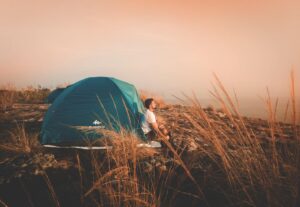
Camping solo is truly a milestone we all must achieve atleast once in our lifetimes – however, as fun as it may sound, it comes with a lot of responsibility and requires you to be extra careful. When we go camping with our friends and family members, we have a lot of people to rely on, share the load and manage chores with us. However, going camping solo means taking off yourself, your essentials, and your safety all by yourself. Therefore, it’s important to be well prepared for the trip beforehand.
One way to keep your preparations in check is to make sure you know the basic dos and don’ts of a solo camping trip. So you don’t make any mistakes that can put you in danger or trouble while you are there.
Hence, today we decided to share the basic dos and donts of solo camping. If you are planning a camping trip alone very soon, this blog post is just for you. Keep reading to find out the 6 fundamental dos and donts of going camping solo!
Table of Contents
The Dos and Don’t of Camping Solo
1. DO: Make a List of Essentials
Like we said above, on a solo camping trip, you are solely responsible – including shopping and packing. You cannot rely on anyone else bringing essentials or sharing the load with you; hence the best way to overcome any issues in this aspect its bets to make a list of essentials a few days before your actual trip.
This list will not only help you in packing but let you know beforehand if you lack something important so that you can buy it in time. Moreover, with this checklist, you won’t forget any essentia
2. ls.
3. Don’t: Leave Anything Last Minute
Another thing, in extension to our previous point. Once again, since you are going alone, you cannot rely on making last-minute changes or preparing for things last minute. When going solo, it’s better to be prepared as early as possible to avoid last-minute hassles and ensure safety.
This includes booking your location, packing your essentials, preparing the food, and buying any gear you might need throughout the trip. In fact, we advise people to even feel their car beforehand, in case they don’t find a gas station on the way to remote areas.
4. DO: Find Your Own Pace
We always say the biggest advantage of going on a trip alone is that you have no pressure; there’s no one to dictate your pace, so you don’t have to push yourself. When you go camping with a group or with your own friends and family members, you have to make sure everyone else is at the same level, so try to meet them at their level. But when you are alone, that’s nothing to be stressed out about. Hence, don’t worry about anything else; just enjoy your freedom and take your trip at your own pace.
5. Don’t: Pick Campsite Without Reviews
When going camping solo, you have to be all the more vigilant about your safety and security – you cannot take any risks, and going to a location or campsite with no reviews is the biggest risk you can take. We know it’s exciting to explore new places, and your adventurous side would love to discover locations. But as exciting as it may sound, it’s not the safest decision to make as a solo camper.
A campsite that is not well reviewed by other campers is probably not very good, convenient, or safe. In fact, remote locations where people don’t often go camping are most at threat of wild animals or weather conditions, and you don’t want to take that risk alone. Hence the way to go about it is only to visit campsite locations that have a high rating and are well reviewed by other solo campers. In our opinion, national parks are the safest location options for solo campers – but you should still do your research.
6. DO: Prepare for the Worst
There is no problem with being optimistic about your dream trip, but to be safe and secure, tis best to plan and prepare for the worst-case scenario. This doesn’t mean we want you to spend your trip in fear or being pessimistic throughout. But this means that you should know you can face whatever difficult situation comes your way.
For example, you should be prepared for all kinds of extreme weather conditions – do pack with yourself extra clothes and warm clothes in case it gets chilly at night. Don’t forget rain gear; what if it rains unexpectedly and you get stuck somewhere? You should have your rain gear to protect yourself. Don’t forget your sleeping bag, even if you have a tent, to be safe while sleeping alone. Other than that, do keep a small knife and a lighter with you at all times – the two things that come in handy in all situations. Lastly, don’t forget an aid kit. No matter how careful you are, you can get injured in a natural environment, and having an aid kit in your bag and help you avoid infection or unnecessary bleeding.
7. Don’t: Go Secretly
One thing every solo camper must keep in mind is that they do not need to o on a trip secretly – it is just not safe to go MIA. To make sure our completely safe and have a backup, you must find atleast one trustable person you can bring in with your plan. This doesn’t mean you should take them with you, it’s your solo trip, and you don’t need to take anyone with you. But telling someone about your plans doesn’t take away your liberty; it only ensures you are safe, especially in case something happens.
If you have a friend, a family member, or even your partner who you can trust and tell not to follow you. Just let me know everything about the plan from when you are leaving when you plan on coming back, and most importantly, the location you are going to. This will make sure that in case you are stuck somewhere, at least someone can reach you!
Camping Solo – Make it Fun and Safe!
We always encourage our readers to go on a solo camping adventure at least once in their lifetime – but it’s important to be vigilant about plans. Never, in your excitement of going on a solo trip, you should put your safety and security on second priority. It’s best to make plans keeping in mind not only your fun and enjoyment but also your safety. So make sure you follow this list of dos and don’t next time you are planning your solo camping trip!