
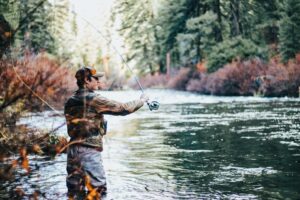
Fly fishing is an experience that you have to try out at least once in your life. This is sure to put your fishing skills to the test. From casting to finding the ideal fishing spots, the fly fishing process is quite fascinating and intricate. And, to get it right, it is best to have the right fly fishing guide by your side.
So, if you wish to make your first ever fly fishing adventure a success, then read the tips and guide provided ahead.
Table of Contents
What Is Fly Fishing?
In fly fishing, artificial bait is cast on the surface of the water to catch fish. The lures are known as flies and mimic the behavior of small insects. This type of freshwater fishing is usually done by the riverbanks and the fly is cast using a reel, fly rod, and weighted line. These fishing accessories can be purchased from a fly store.
This fishing experience requires the skill of casting the fly with perfection. Once you are able to get the hang of it and know which fishing spots to keep an eye out for, you can become a seasoned angler in no time!
Bait for Fly Fishing
For fly fishing, a fly is used as bait. This looks like a feather and is pulled down by the weight of the fly line. When this artificial fly moves in the water, it mimics natural bait, luring fish in.
Dry flies are the most commonly used flies for fly fishing but you can use wet flies and streamers as well.
The Ideal Fishing Reel Needed
For fly fishing, the right fly fishing equipment is key. These are the key features to look for in a fly fish reel.
- Get one that is rust resistant and weather resistant
- Disc drag fly reels are great for helping to catch larger fish
- Avoid getting inexpensive fishing reels. They offer an uneven drag and are sure to wear out or break after a few uses
- A single retrieve fly reel is ideal for beginners. These also work great for freshwater fishing.
- Ensure that the fly reel weight matches the fly line weight.
To get your fly fishing reel and rods, visit your nearest fly fish shop. You can even place an order for them online. However, it is best to inspect the item and purchase it yourself – you don’t want to end up receiving a damaged or low quality product in your mailbox.
Orvis and Battenkill have the most affordable and durable fishing reels for fly fishing.
Tips on How To Fly Fish Successfully
If you wish to catch large fish on your first fly fishing experience such as a bass or brown trout, then the insights below are sure to help.
- To catch trout, olive and black flies work the best
- Fish like to hide behind rocks near undercut banks, and on the side of a current. Be sure to cast your fly in these areas first along with deep water pools
- Practice and perfect the basic fly cast first. For this, place your line in front of you, pointing downwards. Next, pull the rod behind you to let the line unfurl. Cast the line in front of your gently.
Precautionary Measures To Take
Here are a few precautionary measures to take while trying out fly fishing, especially if it is your first time. These come straight from experienced anglers.
1. Life Jackets are a Must Have
For fly fishing, life jackets are an essential item. Even if you know how to swim, it is still advised to wear a life jacket when out fly fishing. This is since the current of the river can be powerful enough to drag you downstream in case you trip and fall.
2. Wear a Waded Belt
A waded belt helps keeps you stable while fly fishing. It prevents water from weighing down your clothes and acts as a floating mechanism in case you fall into the water.
3. Carry Bug Spray and Sun Screen
Bugs and mosquitos are a menace while fly fishing. They can make your experience a lot more challenging and unpleasant. Thus, be sure to have bug spray on hand.
The same goes for sunscreen. A hat and a thick layer of sunscreen are sure to keep your skin protected from the sun’s harmful rays.
4. Protect Your Eyes
The surface glare on the water can make it difficult to see when out for fly fishing. While normal sunglasses may work for the time being, it is better to get a pair of polarized glasses for the job.
These sunglasses also make it easier to spot fish inside the water.
5. Always Wear Your Shoes
Keep your feet covered the entire time. And, make sure to wear wet wading shoes which are designed for fly fishing. This will help you stay put on the ground and prevent slipping.
In addition, not having shoes on can also lead to injuries. Common spots for fly fishing often have discarded fishing hooks that can hurt you. The same goes for sharp rocks.
You can now head out for day trips and wrap up the fly fishing experience over the weekend. Take your family and fellow fly fishers along for a wholesome experience. Your kids will love it as well!
The Final Verdict
Get your fly fishing gear ready and catch your first ever trout in no time! Be sure to follow the tips provided above. You don’t want to return with a sour taste in your mouth from fly fishing.
You can even go for a guided fly fishing trip where you can observe fly fishing in its true essence. Get in touch with a fly fishing guide service near you that has experienced anglers on board. They will help you make the most of your fly fishing experience.
For more information on different types of fishing and how to get your fishing license, head on over to our website. Here you are sure to find the right fishing guides on how to make your fishing experience worthwhile.