
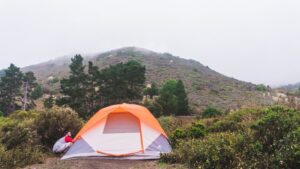
The best campers refer to setting up a tent as part art and part science as it balances out study and experience. While we may not have been able to jot down all the points regarding what’s right — it’s easy to suggest a few common mistakes campers make when setting up their tents:
Table of Contents
Did You Look Up?
Inspecting the ground before pitching in the tent is a given, but do you take the time to check out what lies above your camping site? There could be a beehive or spider web above you, which you might want to avoid. You might also want to look out for a nest in the tree to avoid bird droppings from splattering the top of your tent.
An ever-present hazard witnessed when camping is a broken, rotten, and hanging tree branch that you MUST avoid as they tend to turn deadly. You should refrain from camping under trees with broken limbs or tops as they can fall on your tent without warning. Instead, camp in open spaces.
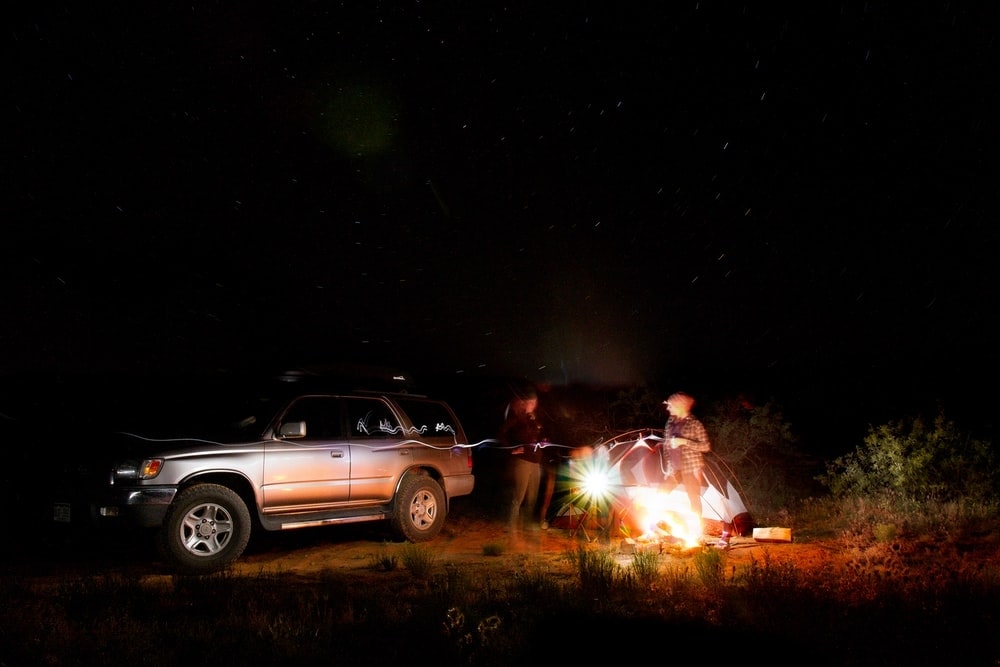
As for the ground, you want to ensure you pitch your tent far away from campfires and water to safeguard yourself from the flying embers and flooding.
Have You Staked The Tent?
Many campers tend to laugh at staking their tent as they believe only the most extreme situations require campers to do so. This is not the case. When you stake your tent with a post, you guarantee that all the campers and belongings within the tent stay put. Without staking, sudden gusts of wind can pop up the bottom of your tent into the air even when there’s a weight inside.
Always take the time to stake your tent to the ground to avoid any hazardous situation. On that note, tents aren’t designed to be pulled super tightly as this can damage their stitching. To spare yourself the pain of repairing your tent, read the guidelines to make informed decisions regarding its design.
Have You Given Yourself Ample Time?
Even the most experienced campers tend to take hours setting up a tent, so you want to give yourself ample time to get the tent properly pitched and secured. If you fail to set the tent during daylight, you’ll need to start a campfire to continue setting up the camp in the desired location.
After the tent is ready, head in for some rest, but leave the gear and the boots outside. If you’re not too comfortable with the thought of abandoning your belongings outdoors, pack them into a storage bin that can be dragged inside of the tent.
Does The Ground Look Okay?
Even when you don’t have a plush mattress in your bedroom, sleeping on the ground is quite the challenge. While a good quality sleeping bag and tent aid the process, finding the right ground is paramount for a good night’s sleep. You want to look for high ground as low spots tend to fill up after just one inch of rain.
Using the wrong groundsheet is another common mistake made by campers — the ground should be cut a few inches smaller than the tent’s footprint. If it sticks outwards, it’s likely to allow rainwater to accumulate above the groundsheet that will ultimately run under the tent.
Moreover, the ground should be clear of roots, branches, or rocks to refrain from damaging the tent’s footprint. You should try sweeping the ground to check for any potential bugs or wildlife in the area — unless you want to be bit by red ants while stargazing.
Do You Know The Direction Of The Sun?
Believe it or not, the sun’s direction plays a crucial role in just how great your camping experience will be. Setting up a tent that welcomes direct sunlight adds ten degrees to it during the summer. However, setting up the tent out of the sun’s reach during the winters will make it ten degrees colder.
To avoid being toasted, you want to find the sun’s direction and how it hits the ground during specific times of the day — as long as you’ve set the tone for the morning, the rest of the day should follow.
Did You Try Pitching The New Tent At Home?
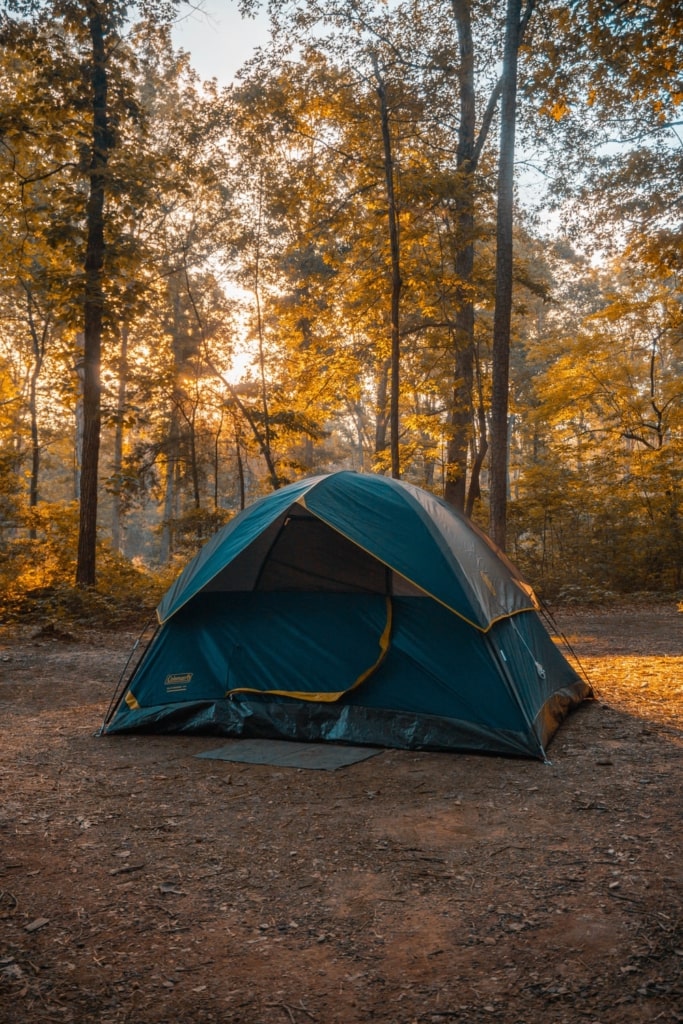
It’s good practice to gain some experience setting up a new tent in a familiar place first. Every tent is manufactured differently —i.e., it’s likely to have unique quirks and fitting requirements for the correct pitch at the right angle after carefully measuring the components’ position. There are also non-freestanding tents that use trekking poles rather than a freestanding system.
Not practicing beforehand can also keep you from setting things up at the campsite on time. If you have poor weather moving in, you’re going to hate yourself for not trying to set it up beforehand. Instead, save yourself the hassle in the woods by pitching your newly purchased tent at home to familiarize yourself with its shape, size, and exit points.
Explore the World with Outdoor Viewer
Established in 2019, Outdoor Viewer is an outdoor product reviews website. We offer detailed insights on outdoor equipment that comes in handy for fishing, hunting, camping, and hiking. By reading these reviews, you should get a better idea of whether or not a particular product is suitable for your situation.
Find relevant categories: product reviews for fishing equipment, product reviews for hunting gear, best camping equipment reviews, and hiking equipment product reviews.