

Thanks to our incredibly improved modern lifestyle and equipment, we have almost everything at the tips of our fingers. From online shopping to home automation systems, the world just keeps evolving and making things easier for humans. But sometimes we take these facilities for granted and forget how easy we have it
Amid our busy routines and hectic schedules, we have forgotten to appreciate nature and its creations. Most people won’t even remember the last time they went for a walk outdoors. This just shows how heavily dependent we have become on machinery and modern equipment, even for basic life activities. Only when you experience the raw wilderness and nature will you come to understand how blessed and spoiled we truly are.
Furthermore, increased dependency on machines and lack of outdoor activities has led to a lot of stress, physical conditions like obesity, and chronic diseases like lung and heart issues. People often forget that the best way to stay healthy is to embrace nature, engage in physical activity, and breathe in some fresh air to clear out your lungs.
However, if you are planning to switch to a more active outdoor lifestyle, there are some basic survival skills and tips you must know. Given our lack of know-how about the outdoors, most people don’t know that there are many challenges and threats out there. This is why it’s crucial to be prepared and receive adequate training before you step into the field.
Adventure is fun, but when things take an ugly turn, you will need to survive. You may find yourself injured or lost, in which case, you may panic and become a victim of your fears. In this situation, it all comes down to being alert and rational. To ensure you are ready to take on any challenges that nature may present, we have put together some essential wilderness survival tips every explorer, adventurer, and beginner must know.
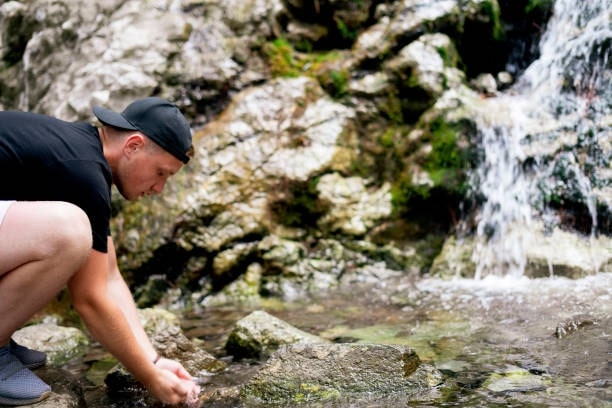
Table of Contents
Pack Essentials for Emergencies
You might only plan to hike a short trail or spend a few hours camping, but that doesn’t justify going in unprepared. Just packing a water bottle and a protein bar is certainly not enough. No matter how short or easy your trip is, always staying prepared is crucial.
This means you must always be stocked up on emergency essentials. It doesn’t take much time for a perfectly blissful camping trip to turn into a disaster. For instance, there might be heavy rain or a wild animal in the vicinity. Worst case scenario, you might get injured or lost, for which you will need some tools like a map, compass, first-aid kit, satellite phones, etc.
Most importantly, it comes down to the basic survival tools; food, water, and shelter. This is why experts suggest packing a water filter, water purifying drops or tablets, extra food items like energy bars, and a basic first-aid kit at all times.
To some people, this might look like overkill, but these items hardly take up any space and will serve as a great help in an emergency.
Always Inform Someone About Your Plans
Before you embark on your adventure, it’s crucial to inform a friend or family member about your plans. How long will you be gone, where are you planning to go, how are you planning to get there, etc. are some essential things you must share before leaving for your trip.
This will ensure that if you are not back by a certain time, there is someone who knows and will alert the relevant authorities. It also provides a starting point and some basic information for the search operators and rescuers.
This will ensure that in case you get lost, injured, or go missing, there is someone who will find you and help you out.
How to treat Injuries
When you are out in the wilderness, several unknown and unseen things can cause harm and injury. One minute you are admiring the view, and the next minute you might be falling face down. This is why it’s important to carry a first-aid kit, as mentioned above.
There are many short videos and courses that you can see to paper and learn to treat basic wounds and injuries. Whether it’s your injury or someone else’s, you will be able to provide basic support until the emergency services reach you. Most importantly, trust your gut and know when to improvise.
Assess Your Surroundings
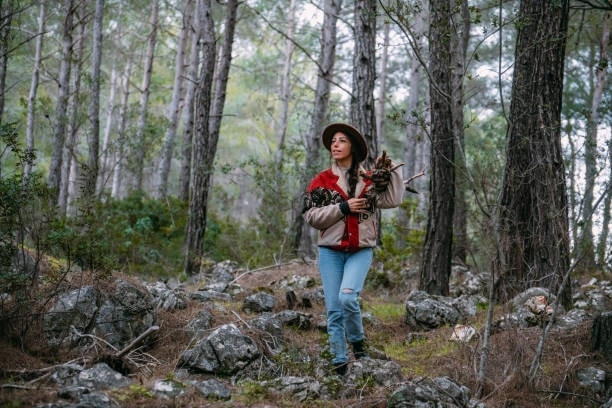
Let’s say you are badly injured or lost. There are tons of things going through your head. Fear, panic, pain, confusion. Should you stay where you are or try to find your way back? Should you wait for someone and keep moving to find help. Is it best to split up or stick together if you are in a group?
This depends on several factors like the graveness of your situation, the trail you are on, the weather, the number of people in the group, etc.
Find Clean Water
Identifying a clean source of water is the next challenge. Give preference to moving and clear water instead of stagnant water. Similarly, cold water is a much better option than warm water. But it’s ideal if you can collect snow melt or rainwater.
Fire and Light
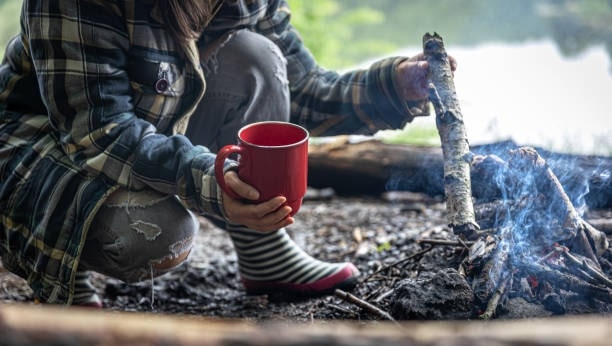
If you know how to build and sustain a fire in the wild, you will have little problem surviving. Whether you need to light your path, cook food, or stay warm, fire comes in handy in many ways.
Find Out More From Our Outdoor Lifestyle Blog!
At Outdoor Viewer, we have some of the best outdoor blogs providing expert advice regarding fishing, backpacking, and hunting!
Whether you’re a beginner who wants to learn and explore their options or an avid adventurer who wants to brush up on essential skills or find the latest product reviews for hunting gear, we’ve got you covered. Learn all about camping gear reviews, tarp shelter products reviews, and how to get better at hiking right here!